Lessons and Workshops
Release your tensions and let your true voice emerge, carried by deep, vibrant emotions in the present moment.”

Release your tensions and let your true voice emerge, carried by deep, vibrant emotions in the present moment.”
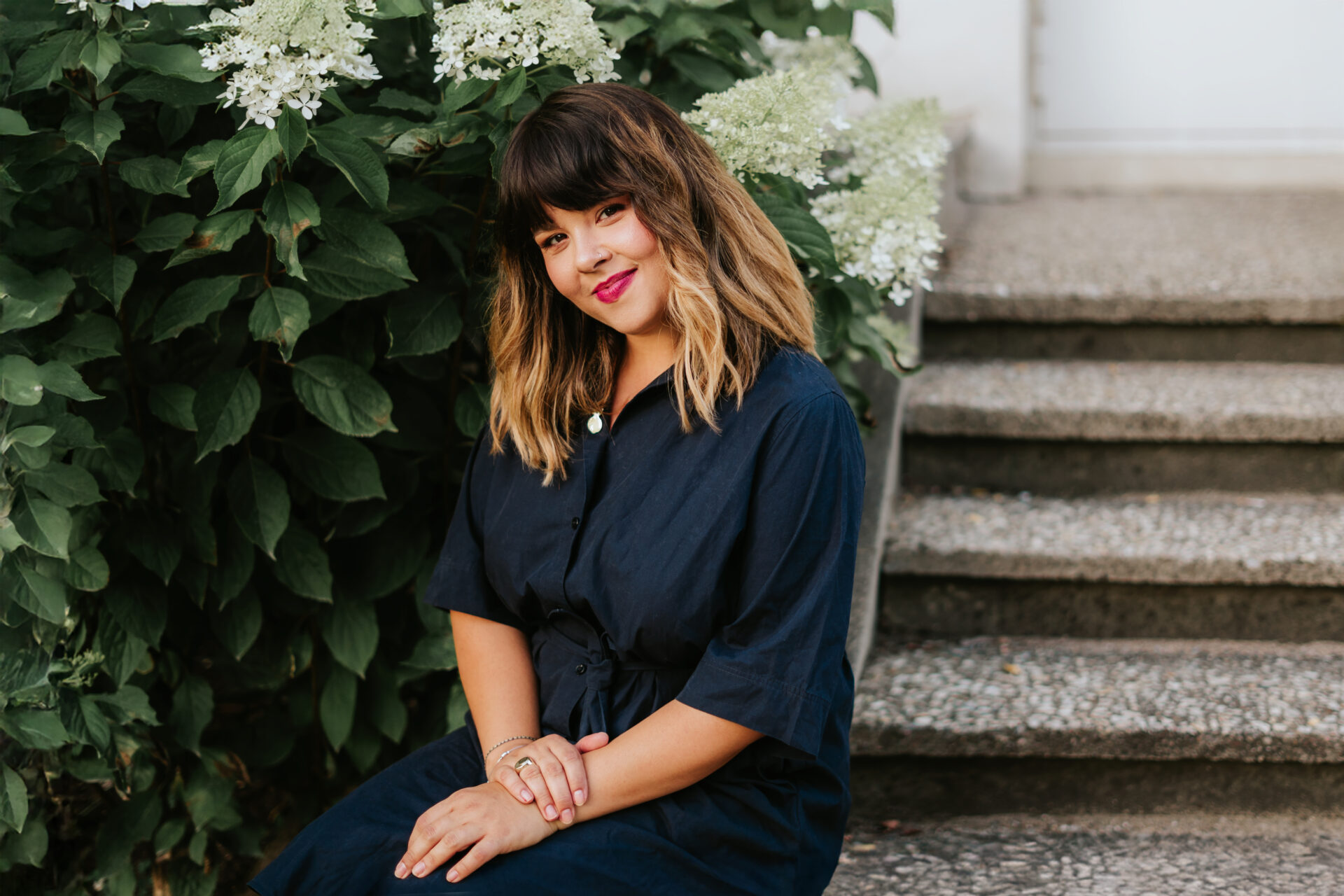
“Strengthen your teams, build self-confidence and group cohesion… all in a supportive and welcoming atmosphere. Tame your fears and transform them into strength.”
Born from years of studying voice with exceptional teachers and nourished by my passion for the somatic approach and the connection between the body and emotions, this project weaves together vocal technique, body awareness, and inner exploration.
My work goes beyond traditional voice teaching: it is a journey toward discovering your own voice, strengthening self-confidence, and freeing expression. I believe that each of us carries a natural ability to produce an authentic sound; my role is to help you reconnect with it.
These workshops welcome everyone — artists, enthusiasts, introverts, curious minds, and leaders — and aim not only to develop vocal technique, but also to cultivate inner harmony, presence, and genuine expression.
B. Attahir
Deux rôles principaux : Tintagiles, Alladine,
Direction musicale : B. Attahir, mise en scène :
Oliver Lexa, Opéra La Monnaie, Bruxelles, Belgique.
Aix-en-Provence, Konzerthaus de Vienne,
mise en scène : Airan Berg, direction musicale : Basem Akiki, Rafał Kłoczko.
Soprano Solo,
Ensemble baroque Les Mufatti, Waterloo, Belgique.
Soprano Solo,
Waterloo Much Music Festival, direction musicale :
Bart Van Reyn, Orchestre Le Concert d’Anvers.
Soprano solo, direction musicale : Giancarlo Guerrero,
Orchestre Philharmonique de Bruxelles,
Flagey, Bruxelles.
rôle de Phylo,
Direction musicale : Michel Plasson, production de
l’opéra La Monnaie, Bozar, Bruxelles, Belgique.
Soprano Solo,
Chef d’orchestre : Hervé Niquet, Orchestre
Philharmonique de Bruxelles,
Vlaams Radio Koor, Flagey, Bruxelles, Belgique.
rôle principal,
À l’Amphithéâtre de l’Opéra de la Bastille,
Mise en scène : Charlotte Nessi, Direction musicale :
Denis Comtet,
Paris, France.
Soprano Solo,
Concert au Palais Royal pour la Famille Royale,
Direction musicale : Bart Van Reyn,
Orchestre Le Concert d’Anvers,
Bruxelles, Belgique.
Festival Aix-en-Provence,
Messe C minor, Ensembles,
Euridice (Gluck),
Aix-en-Provence, France.
“Julia is not only an exceptional teacher and singer, but also an extraordinary person. Our lessons don’t just teach me how to sing — they also help me build confidence and assert my own voice. She is always positive and kind, and the warm, lighthearted atmosphere she creates encourages us to be ourselves.”
«Julia is extremely motivated and dedicated to helping her students grow. I’ve seen more progress in the 3 years that I’ve had her as my voice coach than 5 years I’ve had with other coaches.»
“Julia not only improved my vocal technique, but she also helped me tremendously to overcome psychological barriers, allowing me to discover my own voice and a true freedom of expression. She achieves this through constant support and great kindness, and for that, I will always be grateful to her.”
“Not at all. My method is aimed at anyone who uses their voice: teachers, managers, therapists, or simply those who want to feel more comfortable in conversations or public speaking. The voice is a tool for everyday life, not just for the arts. I come from the artistic world, but I fully adapt my sessions to the audience. The exercises are practical, accessible, and connected to real-life situations: speaking in public, managing stress, listening, and delivering a clear message. It’s not about performing on stage, but about inhabiting your voice more fully in all situations.”
“This is a very common remark — and this is precisely where the work begins. It’s not about ‘knowing how to sing,’ but about reconnecting with your natural expression, relying on the body, the breath, and a sense of inner security.”
“I understand this reality. But even just a few minutes of practice can transform the quality of your daily actions. Better breathing, more focus, a more relaxed body — it’s time gained, not lost.”
Less vocal fatigue - Better presence and natural authority - Clearer and calmer communication - Improved stress management - Greater cohesion in relationships
“I understand this hesitation. My approach is based on concrete, proven foundations: • Bel canto technique • Physiology of breath and voice • Body awareness (inspired by Lowen, functional breathing) • Nervous system regulation validated by neuroscience It’s neither vague nor esoteric. This is a clear, structured method, tested both on stage and in the workplace, adapted to the real needs of professionals.”
“I understand this concern, and I welcome it with great respect. The workshops are designed within a safe, non-judgmental environment, where everyone participates at their own pace, without any obligation to share or expose themselves. The work is done through the body, breath, and voice — not through personal storytelling. I am trained to recognize subtle signs of discomfort, drawing on a sensitivity developed both on stage and in guidance work. I am also flexible and attentive, able to adapt exercises or tone to fully respect each person’s boundaries. This is not about baring oneself; it is a gentle and respectful exploration of one’s own instrument: the voice.”
“Yes, I am used to working in French. I live and work in Belgium, I regularly sing in French, and I already give lessons and workshops in this language — including with native French-speaking audiences. I prepare each session carefully, adapting vocabulary, pace, and instructions to the audience. And if I ever miss a word, I have learned — thanks to performing on stage — to remain present, flexible, and creative. Human connection comes before linguistic perfection, and this is also what I teach: how to stay connected to yourself and others, even in imperfection.”
“I have a warm personality, but I know how to adapt to different environments. My background as a classical singer has taught me to read the codes, adjust my posture, and modulate my language according to the situation — whether it’s an opera, an international institution, or a corporate workshop. I have deep respect for professional frameworks and group dynamics. I am comfortable both in spontaneous expression and in restraint, when the context requires it.”